
Electrical work requires explanation
A homeowner may not understand the technical diagnosis, but they remember whether the electrician made the situation and next steps understandable.
The electrician Customer Story guide
Homeowners can tell when the lights come back on or the new EV charger works. What they often can't independently judge is the diagnosis, planning, and technical work behind the finished result.
What they can describe is whether the electrician explained the problem clearly, walked them through their options, communicated well, respected the home, and made the process feel manageable.
A Customer Story Video lets a real customer explain that experience in their own words.

If you only read this much
A homeowner may not understand the technical diagnosis, but they remember whether the electrician made the situation and next steps understandable.
Communication, professionalism, care for the home, organization, and follow-through are things real customers can credibly talk about.
A smartphone, quiet conversation, thoughtful questions, and basic editing can produce a strong electrician Customer Story.
The electrical trust gap
A finished project can look simple even when the diagnosis, planning, and work behind it were not.
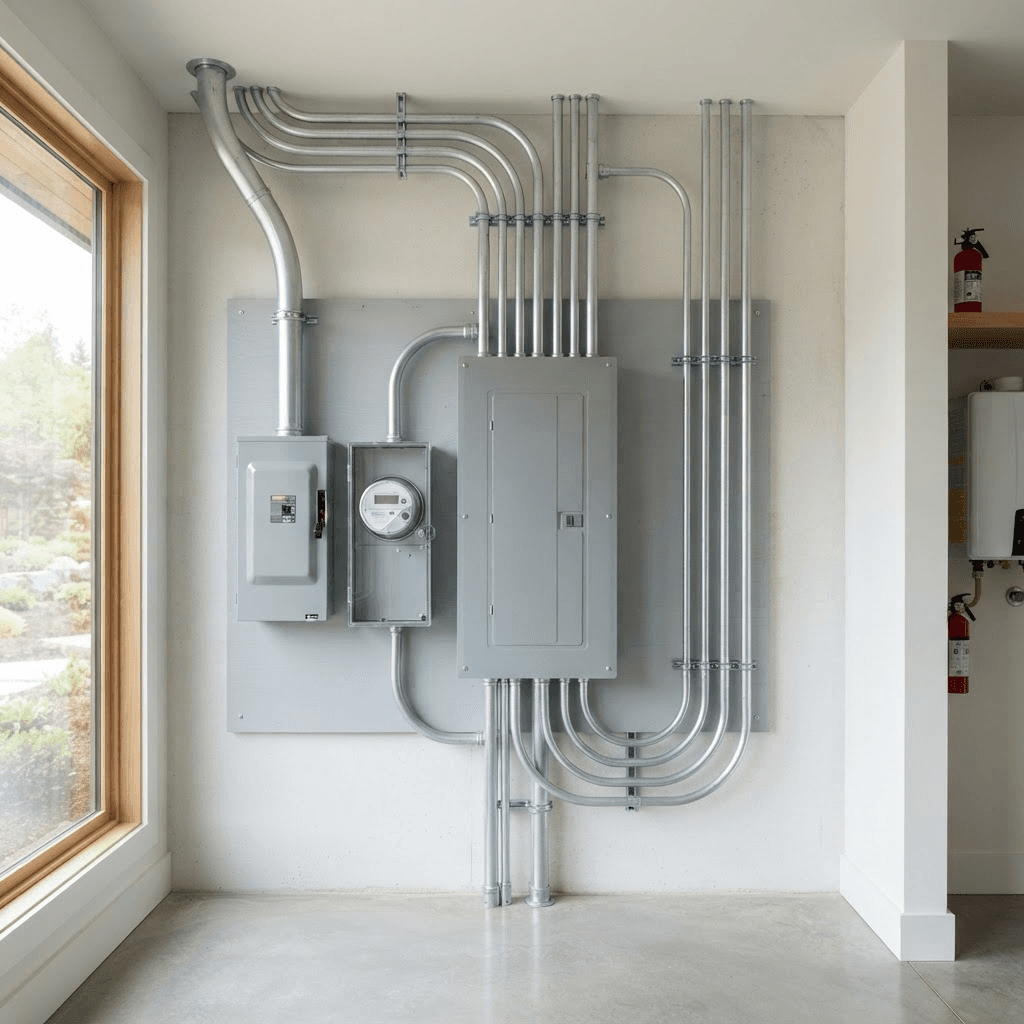
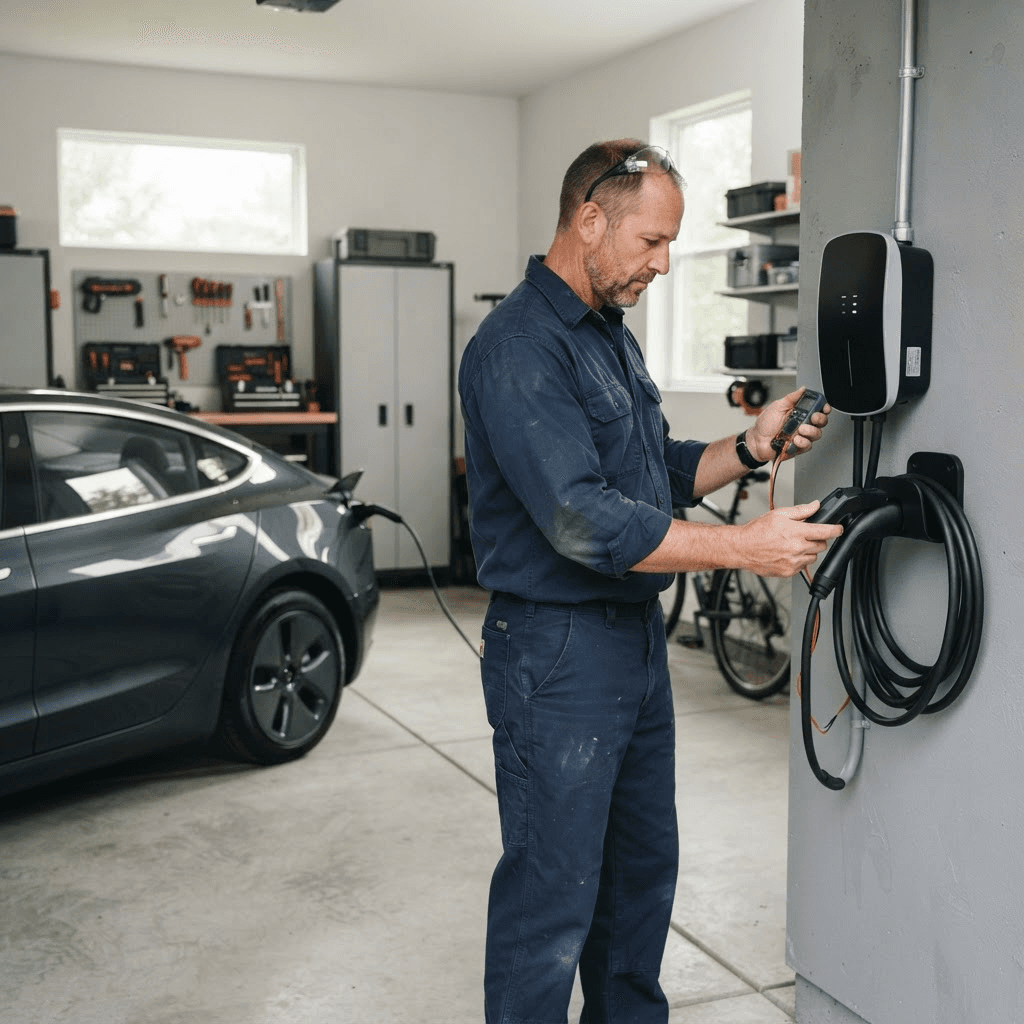
A homeowner may see working lights, a new panel, a wall-mounted EV charger, a generator, new outlets, switches, or a clean finished installation. They often cannot independently evaluate the reasoning behind the diagnosis, wiring behind walls, technical complexity, or why a particular solution was recommended.
That does not mean testimonials should be used to verify electrical safety or code compliance. A homeowner can credibly speak to whether the problem was explained clearly, options were understandable, communication was good, the home was treated carefully, and the project felt organized.
The electrical work may disappear behind the wall.
The customer experience doesn't.
Visible / invisible
A homeowner testimonial does not prove electrical safety or technical compliance. It provides evidence about the customer's experience working with the company.
Electrical customer psychology
Troubleshooting / service
An outlet stopped working, a breaker keeps tripping, lights are flickering, or part of the home has lost power. The homeowner may be focused on responsiveness, understanding what was found, knowing the next step, and feeling that the situation was handled professionally.
Planned electrical projects
For a panel or service upgrade, EV charger, generator, lighting project, rewiring, or addition, customers may care about scope, scheduling, disruption, appearance, communication, and permits, inspections, or utility coordination where applicable.
Questions in the homeowner's head
A Customer Story can describe whether unfamiliar terms were made understandable.
Where options exist, customers value understanding the differences before deciding.
Customers can describe care for floors, walls, work areas, access, and cleanup.
Scheduling, communication, coordination, and clear next steps matter on larger work.
Responsiveness and communication can become strong Customer Story themes.

Reviews and stories
Video does not replace written reviews. It gives one customer more room to explain what the experience was actually like.
A five-star review tells a homeowner that someone had a positive experience.
The customer can explain what happened, how the electrician communicated, what the process felt like, and why they would hire the company again.
Claims vs. evidence
What the electrician says
“We explain your options clearly.”
Customer
“They explained everything really well.”
Interviewer
“What did they explain that helped you?”
Customer
“They walked us through what they found and explained what the next steps could be before we made a decision.”
Illustrative example — not a real customer quote.
What the electrician says
“We respect your home.”
Customer
“They were very careful.”
Interviewer
“What did you notice?”
Customer
“They kept the work area organized and cleaned everything up when they finished.”
Illustrative example — not a real customer quote.
What the electrician says
“We communicate throughout the project.”
Customer
“We always knew what was going on.”
Interviewer
“What made the communication work well?”
Customer
“They explained what would happen next and kept us updated as the project moved along.”
Illustrative example — not a real customer quote.
Where the story earns its keep
Panel or service upgrades, generators, EV chargers, major lighting work, rewiring, and addition-related electrical work may involve more research and comparison. A relevant story explains the experience of working with the company.
After discussing a larger project, send a relevant story: ‘Thanks again for having us out. Here’s a short story from another homeowner who recently worked with us on a similar electrical project.’ For larger electrical projects, this lets the homeowner hear about the experience from someone who has already made a similar decision.
A story can answer a practical concern: ‘Will these people explain this in a way I understand?’ Keep the focus on communication, not validation of a technical diagnosis.
Customer Stories can support what happens after a homeowner finds you through search, ads, social media, direct mail, neighborhood marketing, referrals, or professional relationships.
Before spending more to get additional electrical leads, make sure the prospects already considering you can see your strongest customer evidence.
A candid DIY guide
You do not need Territory.io or a film crew to create a useful electrician testimonial video.
Use a modern smartphone at eye level on a stable mount or tripod.
Choose a quiet room away from tools, active work, equipment noise, and other distractions.
Face the customer toward a window or soft natural light, not a bright window behind them.
Use thoughtful questions, listen closely, and edit the strongest specific answers.

Electrician-specific filming advice
The customer does not need to stand beside an open panel, around tools or ladders, in a noisy work area, or in the middle of an installation. Conduct the interview somewhere quiet and comfortable, with clean audio and good natural light.
Interview for the story.
Film the electrical work for the visuals.
Capture finished panels, EV chargers, light fixtures, switches, outlets, generators, clean work areas, and the finished result separately. Do not film around exposed energized components.
Electrician testimonial questions
Part 1
Part 2
Part 3
Part 4
Strong closing question
“What would you tell a friend or neighbor considering hiring this electrical company?”
Interview technique
The homeowner does not need to explain electrical theory. They are not the electrician. Their job is to explain their experience.
Illustrative example — not a real customer quote
Customer: “They explained everything really well.”
Interviewer: “What did they explain that helped you?”
Customer: “They helped us understand what they were recommending and what would happen next.”
Customer: “They were very professional.”
Follow up: “What did professional look like in your home?”
The follow-up turns a generic compliment into useful customer evidence.
Editing structure
Around 60–90 seconds is a useful target for a primary story, not a universal rule.
0–15 sec
15–35 sec
35–65 sec
65–90 sec
From praise to a story
Basic testimonial: “They did a great job.”
Electrical customer case study: Need → Decision → Explanation → Experience → Result
A more relevant proof library
Someone considering an EV charger may find another EV-charger customer’s experience more relevant than a generic lighting testimonial.
Someone considering a service upgrade may care more about planning, communication, and coordination on another larger electrical project. The goal is more relevant evidence—not a guaranteed conversion outcome.
Distribution playbook
Send a relevant story after the visit or conversation. This is often one of the most useful placements.
Match a larger-project story to homeowners researching similar work.
Use a service-specific story where available.
Show the experience of planning, communication, care, and the finished result.
Place a relevant Customer Story near the decision point without promising a conversion result.
Combine written reviews, a Customer Story, electrical work imagery, and clear service information.
Make it easy for a homeowner to watch a similar experience after an estimate.
Where applicable, a professional-client story can support builder or other referral relationships.
Real Territory.io Customer Story example
This Wicked Pool Service example is from another home-service industry, not an electrical company. Watch how the customer explains the situation, why they trusted the company, what the experience was like, and why they would recommend them.
View all Customer Story Video examplesDone-for-you option
You can absolutely create a strong electrician testimonial video yourself.
If you'd rather stay focused on service calls, estimates, projects, crews, and customers, Territory.io can handle the interview, storytelling, and editing for you.
DIY or done for you
For a broader overview, read our guide to video testimonials for contractors.
Straight answers
Much of electrical work is technical or hidden after completion. A homeowner usually can’t independently verify the technical electrical work itself, but they can credibly describe the explanation, communication, professionalism, organization, care for the home, and finished experience.
No. A homeowner testimonial should not be presented as proof of electrical safety, code compliance, licensing, or technical competence. Those should be established through appropriate credentials, inspections, permits, and professional standards where applicable. A testimonial provides evidence about the customer’s experience.
Ask about the need, how they chose the electrician, the explanation and service experience, the result, and their recommendation. Use open questions and follow up when a general answer needs a specific example.
Usually not. Prioritize a quiet, comfortable location, clean audio, good light, and a relaxed customer. Capture finished electrical visuals separately, and do not film around active electrical work.
Yes. A modern phone can produce a useful story. Prioritize a stable camera, clean audio, soft light, a quiet environment, and a natural conversation.
Around 60–90 seconds is a useful target for the primary edited story, though it is not a universal rule. Shorter excerpts can be useful for follow-up and social channels.
Try: ‘Thanks again for trusting us with your home. We’re putting together a few short Customer Stories so other homeowners can hear what the experience is really like. Would you be open to a relaxed 10–15 minute remote conversation about your project?’
Panel upgrades, EV chargers, generators, lighting, troubleshooting, larger upgrades, and remodel or addition work can all produce useful stories. The clarity and relevance of the experience matters more than project size.
After you introduce the customer, Territory.io coordinates a short remote interview, asks story-based questions and follow-ups, then handles editing, branding, captions, audio cleanup, and provided project visuals. One finished story is $497 one-time.
No. There is no upfront deposit and no subscription. You pay only after you approve the finished Customer Story video.
You can record their stories yourself using the guide above, or let Territory.io handle the interview, storytelling, and editing for a flat $497.